 Stakely
Is Buying a House Still a Bad Investment at 7% Mortgage Rates?
Real Estate·October 29, 2026
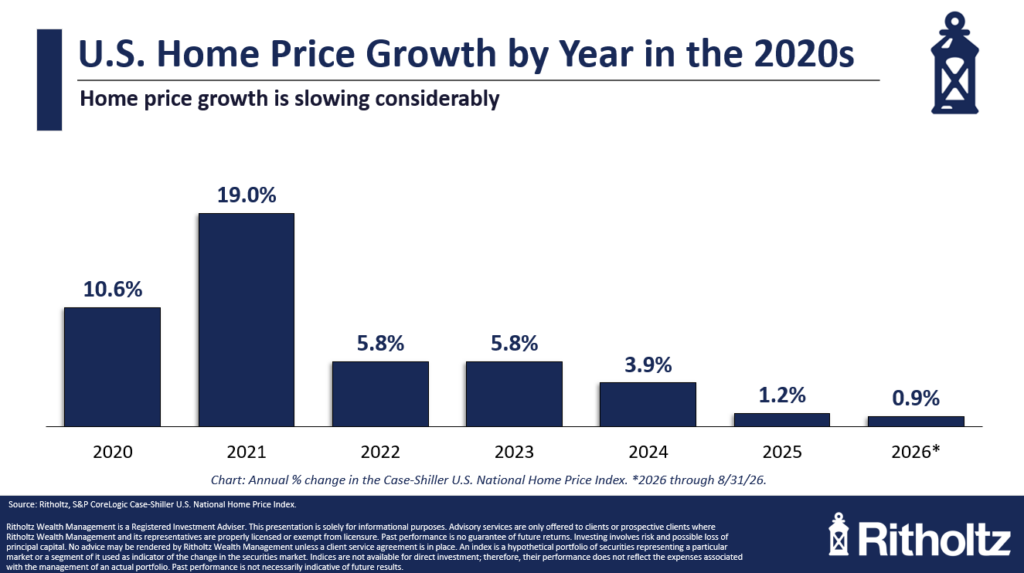
A reader who describes themselves as a late-20s CPA, married with no kids yet, recently put a question to a personal finance blog: setting aside the emotional side of homeownership, is buying a house a bad investment right now? They pointed to three headwinds. Mortgage rates are above 7 percent, homeowners insurance costs more than it did a few years ago, and the path to buying a home takes much longer than it once did.
Those are fair complaints, and they cut against the old assumption that a house is an almost automatic wealth builder. A loan at 7 percent carries heavy monthly interest, and that interest is a cost a renter never pays. Property taxes, insurance and maintenance add more. A common rule of thumb puts annual upkeep around 1 percent of a home's value, and buying and selling both carry transaction costs that can run into thousands of dollars. Once those are added up, the true cost of owning can sit well above the mortgage payment alone.
The stronger counterpoint is that the comparison is not a house versus nothing. It is owning versus renting, and a renter still has to decide what to do with the money a buyer would have put into a down payment and monthly payments. If that cash is invested steadily, the buyer has to beat that return after paying all their ownership costs. At higher rates, that bar gets harder to clear. This is why the math often favors renting in expensive markets where home prices are high compared with rents.
Time horizon matters more than many spreadsheets admit. Closing costs and other transaction expenses are paid up front, so a stay of only a few years rarely recovers them. A longer stay gives those costs time to spread out and gives rent growth time to make ownership look relatively cheaper. Leverage also works in both directions. A modest rise in prices can magnify gains on a small down payment, but a flat or falling market can erase equity just as quickly.
Taxes add another variable. The mortgage interest deduction only helps households that itemize, and the higher standard deduction means many buyers no longer benefit from it. Anyone running these numbers should use their actual tax position rather than a generic assumption.
The short answer is that a house bought at 7 percent rates is not an automatic good investment, but it is not a guaranteed bad one either. It is a bet that prices in a specific market will hold or rise, that the buyer will stay long enough to absorb the upfront costs, and that the total cost of ownership is not more than renting plus the return on the saved cash. Readers who want to test their own case should compare local rents with local home prices, use realistic insurance and tax figures, and model the return they would realistically earn on the money they would otherwise invest.
Reporting based on an external source.